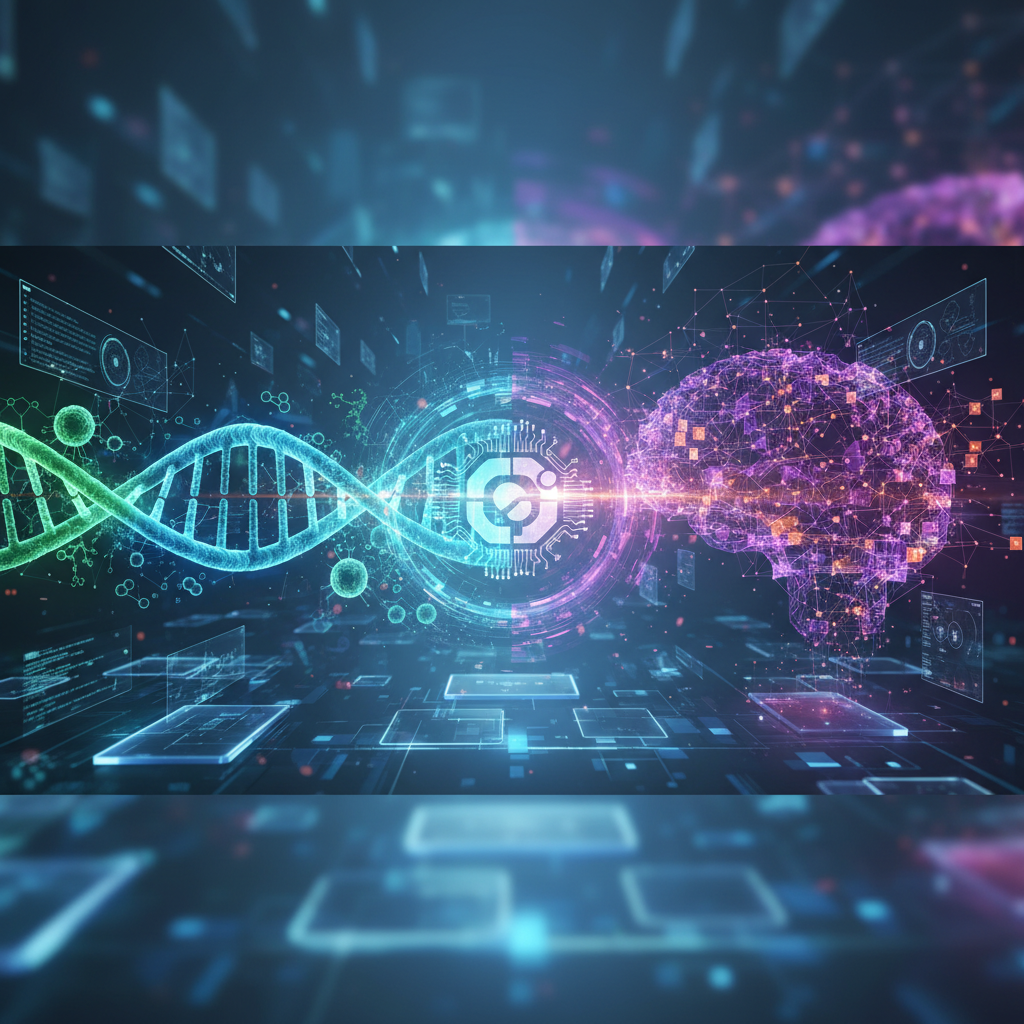
# The Intersection of Biotechnology and Data Science: Shaping the Future Through Synergy
In today's world, the boundaries between science and technology are increasingly blurring. Particularly, biotechnology and data science are driving revolutionary innovations in areas ranging from human health to environmental protection. Understanding genomic data, protein structures, and cell interactions now occurs not only in laboratory test tubes but also with the aid of powerful algorithms and high-performance computing systems. The convergence of these two disciplines acts as a key to unlocking the future.
Genomic and Proteomic Data Analysis: The Role of Big Data in Life Sciences
Advances in genome sequencing technologies have made it possible to collect trillions of bases of genetic data. Data science techniques are indispensable for making sense of these massive datasets and extracting valuable biological information. Machine learning algorithms play a critical role in identifying disease genes, analyzing gene expression patterns, and predicting protein-protein interactions. In particular, deep learning models (e.g., Convolutional Neural Networks - CNNs or transformers) are used to uncover complex genetic regulators and biomarkers.
AI Support in Drug Discovery and Development
The traditional drug discovery process is both time-consuming and costly. The integration of biotechnology and data science is fundamentally changing this process. Artificial intelligence and machine learning models are being used to identify potential drug candidates, predict the biological effects of molecular structures, and forecast the success of clinical trials. For example, **Large Language Models (LLMs)** and Graph Neural Networks (GNNs) are utilized to design novel molecular compounds and model drug-target interactions. This enables new therapeutic methods to be developed much faster and more efficiently.
Personalized Medicine and Bioinformatics Applications
Each individual's genetic makeup, lifestyle, and response to environmental factors differ. Personalized medicine aims to tailor treatment approaches according to an individual's unique biological profile. Bioinformatics plays a central role in this field. Genomic, transcriptomic, and proteomic data from patients are collected, analyzed, and the most effective treatment methods are determined based on this data. Data visualization and statistical modeling tools present complex biological data in an understandable way to doctors and researchers, enabling them to make more informed decisions.
Example Scenario: Differential Analysis with Gene Expression Data
Understanding how a treatment group affects the expression levels of specific genes compared to a control group is a fundamental step in biotechnology research. The following Python code demonstrates a simple approach to performing differential expression analysis on a sample gene expression dataset to identify genes that are significantly altered:
import pandas as pd
from scipy.stats import ttest_ind
import matplotlib.pyplot as plt
import seaborn as sns
# Example Gene Expression Data (Real data would be larger and more complex) # df columns: GenID, Control_1, Control_2, Treatment_1, Treatment_2 data = { 'GenID': ['GEN_A', 'GEN_B', 'GEN_C', 'GEN_D'], 'Control_1': [10.2, 15.5, 5.1, 20.0], 'Control_2': [11.5, 14.8, 6.0, 19.5], 'Treatment_1': [25.1, 16.0, 4.5, 8.2], 'Treatment_2': [23.9, 15.2, 5.0, 7.8] } df = pd.DataFrame(data)
print("Gene Expression Data:") print(df) print("\n--- Differential Expression Analysis ---")
results = [] for index, row in df.iterrows(): gene_id = row['GenID'] control_group = row[['Control_1', 'Control_2']].values treatment_group = row[['Treatment_1', 'Treatment_2']].values
# Independent two-sample t-test statistic, p_value = ttest_ind(control_group, treatment_group)
# Simple thresholding for significance check is_significant = "Yes" if p_value < 0.05 else "No" results.append({'GenID': gene_id, 'T_Statistic': statistic, 'P_Value': p_value, 'Significant': is_significant})
results_df = pd.DataFrame(results) print(results_df)
# Example Visualization: Expression levels for GEN_A gene_a_data = df[df['GenID'] == 'GEN_A'].iloc[0] control_vals_a = [gene_a_data['Control_1'], gene_a_data['Control_2']] treatment_vals_a = [gene_a_data['Treatment_1'], gene_a_data['Treatment_2']]
plt.figure(figsize=(6, 4))
sns.boxplot(data=[control_vals_a, treatment_vals_a], palette=['skyblue', 'lightcoral'])
plt.xticks([0, 1], ['Control', 'Treatment'])
plt.ylabel('Expression Level')
plt.title('GEN_A Expression Levels (Control vs Treatment)')
plt.grid(axis='y', linestyle='--', alpha=0.7)
# plt.show() # Uncomment for actual visualization
**Conclusion**
The intersection of biotechnology and data science is fueling unprecedented acceleration in the life sciences. This synergy promises more accurate diagnostics, more effective treatments, and innovative solutions to challenges facing humanity. Future revolutions in medicine, agriculture, and environmental fields will largely be shaped by the integration of these two powerful disciplines.
**Let's Unlock Your Business Potential Together!**
Are you looking to maximize the potential of your business or research project at this exciting intersection of biotechnology and data science? We possess expertise across a wide spectrum, from genomic data analysis to personalized medicine solutions. With our innovative and results-oriented approaches, we are here to offer tailored solutions for you. Contact us to learn more and discuss your project!